



Oxidant
Product Overview
Sodium persulfate (Na2S2O8), also known as sodium peroxydisulfate, is an inorganic peroxy salt engineered for controlled oxidation, micro-etching of printed circuit boards (PCBs), polymer emulsion initiation, and industrial wastewater treatment. Manufactured via continuous electrolytic oxidation, the crystal lattice maintains a high active oxygen content with strict trace heavy metal controls.
Chemical Name: Sodium Persulfate
Chemical Formula: Na2S2O8
CAS Registry Number: 7775-27-1
Molecular Weight: 238.10 g/mol
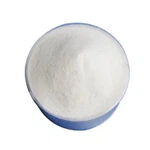
Appearance: White, odorless crystalline solid
Product Specifications
|
Technical Parameter |
Guaranteed Limit / Typical Value |
Analytical Test Method |
|
Assay (Purity) |
>= 99.0% |
Iodometric Titration |
|
Active Oxygen Content |
>= 6.65% |
Gravimetric Calculation |
|
Moisture Content |
<= 0.05% |
Karl Fischer Titration |
|
Iron (Fe) Impurity |
<= 5 ppm |
Inductively Coupled Plasma (ICP-OES) |
|
Chloride (Cl-) |
<= 0.005% |
Potentiometric Titration |
|
pH (50 g/L aqueous solution) |
3.5 - 5.5 |
Glass Electrode pH Meter |

PCB Micro-Etching: Acts as an etchant in printed circuit board fabrication to strip copper traces cleanly without undercutting or accumulating spent heavy metal sludges.
Polymerization Initiation: Functions as a thermal free-radical generator for emulsion polymerization systems, including acrylics, synthetic rubber, and vinyl acetates.
Wastewater Advanced Oxidation (AOP): Generates sulfate radicals to break down complex chemical oxygen demand (COD), cyanide complexes, and halogenated industrial effluents.
Metal Surface Preparation: Cleans and activates copper, aluminum, and steel surfaces prior to electroplating or conversion coating by eliminating micro-oxides.
Manufacturing & Quality Control
Production relies on closed-loop vertical integration designed to eliminate atmospheric moisture ingress and metallic cross-contamination during crystal formation.
Electrolytic Synthesis:
Multi-cell titanium-lined electrolysis units operate under regulated current density to prevent structural iron leaching into the mother liquor.
Crystallization & Drying:
Vacuum-assisted cooling crystallizers isolate monoclinic crystals, followed by fluidized-bed drying to maintain moisture parameters at or below 0.05%.
Batch Traceability:
Every production lot is assigned a unique barcode linking reactor temperature logs, raw material assay certificates, and final titration readouts, archived for 3 years.
Regulatory Compliance:
Plant manufacturing frameworks align with international quality management standards and environmental control specifications. Comprehensive Safety Data Sheets (SDS) and REACH dossiers are accessible for verification.
Persulfates are sensitive to thermal exposure, humidity, and active reducing agents. Packaging configurations are engineered to preserve chemical stability during cross-ocean transit.
Commercial Packaging Options:
25 kg polyethylene-lined woven polypropylene bags.
25 kg fiber drums equipped with internal moisture-barrier liners.
1,000 kg flexible intermediate bulk containers (FIBC / Jumbo bags) fitted with sealed PE inlet/outlet spouts.
Warehouse Storage Parameters: Store in a dry, ventilated, temperature-regulated facility below 30 deg C. Isolate strictly from combustible materials, organic compounds, strong bases, and active reducing agents in accordance with product SDS guidelines.
Shelf Life: 6 months from the date of manufacture under specified dry storage conditions, verified via accelerated thermal stability testing.

FAQ