



Fine Chemical
Product Overview
Product Name: 4-Chlorobenzenesulfonyl Chloride (CBS-Cl)
CAS Registry Number: 98-68-0
Molecular Formula: C6H4Cl2O2S
Molecular Weight: 211.07 g/mol
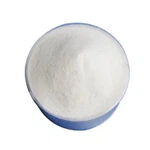
Appearance: White to off-white crystalline solid
4-Chlorobenzenesulfonyl chloride is an aromatic sulfonyl chloride functional intermediate utilized primarily in pharmaceutical synthesis and advanced organic chemistry. Produced via chlorosulfonylation of chlorobenzene under controlled low-temperature reactor conditions, this grade is refined for downstream synthesis requiring tightly controlled isomer profiles and low moisture limits to prevent premature hydrolysis during scale-up.


Product Specifications
Values below represent typical parameters derived from routine Quality Control testing of production lots. Final batch compliance and applicable test methods are documented in the lot-specific Certificate of Analysis (COA).
|
Test Parameter |
Specification Limit |
Test Method |
|
Assay (Purity) |
>= 99.0% (subject to confirmation) |
GC-FID |
|
Melting Point |
53.0C - 55.5C (subject to confirmation) |
Capillary Method |
|
Moisture (Karl Fischer) |
<= 0.10% (subject to confirmation) |
Titrimetric Analysis |
|
Free Acid (as HCl) |
<= 0.20% (subject to confirmation) |
Acid-Base Titration |
|
Color / Appearance |
White to off-white solid |
Visual Inspection |

4-Chlorobenzenesulfonyl chloride is used as a reactive sulfonylating reagent in organic synthesis. Its suitability for a particular process depends on the target compound, reaction conditions, and required product specifications.
Potential application areas include:
Pharmaceutical Intermediates: Functions as a key sulfonylation agent in the synthesis of active pharmaceutical ingredients (APIs), including sulfonamide-class therapeutics and enzyme inhibitors.
Agrochemical Synthesis: Utilized as a starting material or intermediate for manufacturing specific systemic fungicides and selective herbicides according to documented synthesis routes.
Specialty Organic Synthesis: Acts as a reactive functional intermediate for introducing 4-chlorophenylsulfonyl groups into complex molecular structures.
Specific applications should be confirmed against the product's technical documentation and relevant synthesis requirements.
Manufacturing & Quality Control
Synthesis Route & Equipment
Manufactured via continuous chlorosulfonylation of chlorobenzene using chlorosulfonic acid in glass-lined reaction vessels (3,000L to 5,000L capacity). Temperature is maintained below 15C through automated brine-cooling jackets to suppress di-sulfonated by-products.
Purification & Isolation
Product isolation is executed via closed-system crystallization utilizing anhydrous organic solvents. Centrifugal filtration and vacuum tray drying are performed under a dry nitrogen blanket to maintain strict moisture thresholds before packaging.
Analytical Traceability
Every production batch undergoes testing via Gas Chromatography (GC-FID) for purity isomer distribution, Karl Fischer titration for moisture, and potentiometric titration for free acid content. Retained samples are archived for 3 years in climate-controlled chambers, supporting complete supply chain transparency and lot evaluation.
Packaging
• Standard Packaging: 25 kg net weight fiber drums, double-lined with food-grade polyethylene (PE) inner bags tied securely under nitrogen purge.
• Bulk Options: 200 kg steel-fiber composite drums available upon request for high-volume commercial schedules.
• Packaging must protect the material from moisture during storage and handling.
Storage
Store in tightly sealed, compatible containers in a cool, dry, well-ventilated area away from moisture, strong bases, and active amines. Exposure to ambient humidity will trigger gradual hydrolysis to 4-chlorobenzenesulfonic acid and release hydrogen chloride gas.
Follow the current Safety Data Sheet (SDS) for handling, personal protective equipment, spill response, and disposal requirements.
Shelf Life: 12 months from manufacture date when stored in unopened original packaging under recommended conditions.
Frequently Asked Questions