

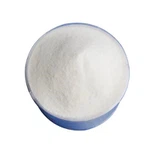


Imazethapyr
The synthesis and screening of imidazolinone compounds began in 1975. In 1982, M. Los et al. first reported this type of herbicide. In 1983, P.L. Orwick et al. reported imazapyr and its isopropylammonium salt, while D. L. Shaner et al. reported imazaquin and its ammonium salt, imazaqin-ammonium. This made imidazolinone compounds an active area for developing new herbicide varieties. Subsequently, D. L. Shaner and N.E. Shafer reported the herbicidal activity of imazamethabez-methyl[3], and T. Malefyt et al. reported the herbicidal activity of imazethapyr and its ammonium salt. Color and appearance: White to off-white powder
Specifications: 99% min.
CAS NO.: 81335-77-5
Molecular formula: C32H24O3S
Molecular weight: 488.6
|
Item |
Index |
|
Imazethapyr mass fraction/% |
≥97.0% |
|
Loss on drying/% |
≤0.5% |
|
Mass fraction of insoluble sodium hydroxide/% |
≤0.3% |
|
pH Range |
2.5-4.5 |
|
During normal production, the insoluble matter of sodium hydroxide should be measured at least once every three months. |
|
Uses
5-Ethyl-2-(4-isopropyl-4-methyl-5-oxo-1H-imidazolin-2-yl)nicotinic acid selective pre- and post-emergence herbicides, inhibitors of branched-chain amino acid synthesis. Absorbed through roots and leaves, and translocated within the xylem and phloem, it accumulates in plant meristems, affecting the biosynthesis of valine, leucine, and isoleucine, damaging proteins, and ultimately causing plant death. Applications include pre-sowing soil incorporation, pre-emergence surface treatment, and early post-emergence application. It controls many grasses and broadleaf weeds. Soybeans are tolerant, and the general application rate is 140–280 g/hm², although some reports indicate a soil treatment rate of 75–100 g/hm² for soybean fields. It also shows selectivity for other legume crops, with a application rate of 36–140 g/hm². A dosage of 36–142 g/hm², whether applied by soil mixing or early post-emergence application, is effective in controlling dichroic sorghum, sedge, amaranth, and datura. A dosage of 100–125 g/hm², applied by soil mixing before sowing or pre-emergence treatment, provides excellent control of barnyard grass, millet, green foxtail, velvetleaf, retroflexus, and lambsquarters. For post-emergence treatment to control annual grasses and broadleaf weeds, a dosage of 200–250 g/hm² is required.

Packaging, Storage, Handling, and Transportation
Mizometrine is packaged in cardboard drums and steel drums.
Packaging Specifications:
- 25 kg/cardboard drum, 420 drums/20ft container
- 100 kg/steel drum, 80 drums/20ft container
This product must not contaminate food or feed during storage, transportation, and application.


Hot Tags: imazethapyr, China imazethapyr manufacturers, suppliers, factory, imazapyr, cas no 81385 77 5, L-Glufosinate, Heptane 1 7 dicarboxylic acid, C9H6F3N3O, Phosphinothricine
Previous
No InformationNext
GlyphosateYou Might Also Like


Send Inquiry